
9 Reasons Why Fall in Alaska is Magical
This article may contain affiliate links, meaning if you make a purchase, I may earn a small commission at no extra cost to you. As an Amazon Associate I earn from qualifying purchases. See my Disclosure Policy for more information.
When asked what my favorite time of year in Alaska is, without fail, I will say fall. I crave fall in Alaska by the end of July, especially after a hot and buggy June, perhaps paired with wildfires.
“Fall is fleeting doesn’t even begin to describe how quickly fall can come and go in Alaska! Plus, if the weather turns, you can feel gypped of a great autumn.
While the sunshine might not always be guaranteed and you’re likely to encounter a fair share of rain, there’s a refreshing rawness to fall.
I’ve experienced the magic of autumn in Fairbanks, Nome, McCarthy, Denali, and Anchorage, and each place has its unique perks.
But, even in parts of Alaska where I haven’t lived, like Southeast Alaska, fall has a special enchantment.
There’s a charm about fall in Alaska that’s perhaps not for everyone—which is important to point out. I will share info in this post to help you decide if autumn is a good time to plan your bucket list trip to the Last Frontier!

Reasons to Visit Alaska in the Fall
Autumn in Alaska offers a distinctive blend of natural beauty and quietness, making it an ideal time for an unforgettable adventure.
1. Fall Colors In Alaska
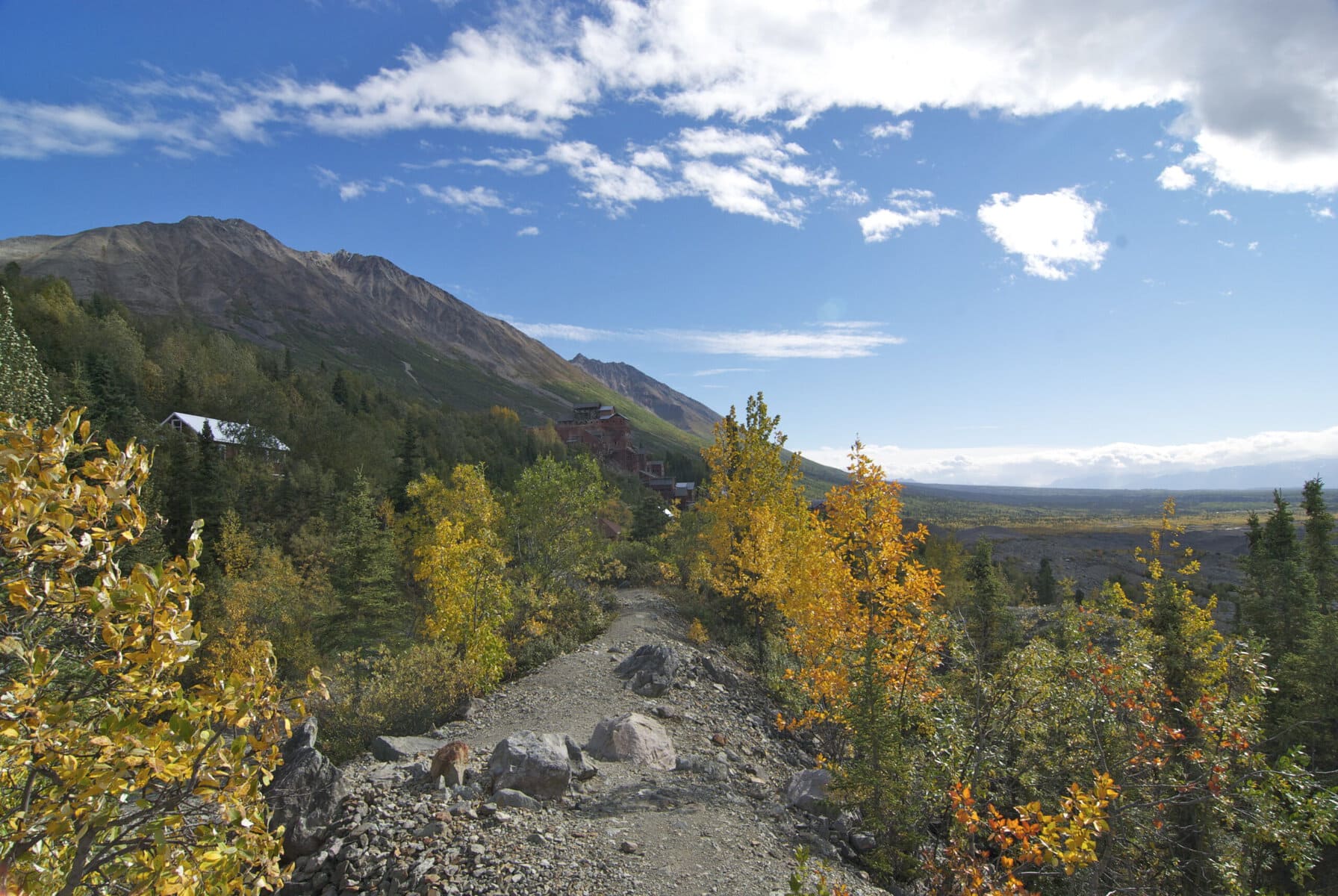
Fall in Alaska is incredible, with nature spattering colors across the landscape. In the interior, the transformation is particularly stunning.
Fairbanks and the surrounding areas burst into golds and oranges as the birch and aspen trees embrace autumn. The tundra transforms into a magical carpet of reds, purples, bright greens, oranges, and yellows.
Driving along the Richardson Highway or hiking in Denali National Park during this time is an experience you won’t forget. The tundra is gorgeous with low-lying plants turning deep reds and purples.
In Southeast Alaska, fall colors are equally enchanting. The temperate forests around Juneau and Ketchikan are a lush mix of evergreen and deciduous trees, where the changing leaves add splashes of gold and amber amidst the green.
The coastal areas are breathtaking and even the moss and ferns on the forest floor seem to glow with an intensified green, creating an almost otherworldly atmosphere.


2. Northern Lights Viewing
One of the most captivating reasons to visit Alaska in the fall is the chance to witness the Northern Lights. It’s definitely one of my favorite times of the year for them!
As the nights grow longer and darker, the Aurora Borealis frequently displays colors ranging from magenta and purple to green.
Fairbanks is a prime location to catch the lights. When the sky is ablaze in greens, pinks, and purples – it’s an experience that’s truly out of this world.


3. Fewer Crowds
Fall in Alaska brings a sense of serenity that’s hard to find during the bustling summer months.
The popular tourist spots, from Denali National Park to the streets of Anchorage, see fewer visitors, making it an ideal time to explore without the crowds.
For these reasons, my favorite time to visit national parks in Alaska is in September.
You can enjoy the pristine wilderness and cities at a more relaxed pace, truly soaking in the beauty and culture during your visit.

4. Cooler Temperatures
The cooler fall temperatures are perfect for outdoor adventures without the intense summer heat or the pesky Alaskan mosquitoes!
Whether you’re hiking in Denali, exploring the vast tundra, or kayaking along the coast, the crisp air adds a refreshing element to your adventures.
The aroma of fall here, as the cool and wet environment starts to bring decay to the forest with each frost, is memorable, I absolutely love it.
5. Wildlife Sightings
Autumn is a fantastic time for wildlife viewing in Alaska. Animals are busy preparing for winter, offering unique opportunities to see them in action.
Bears are often spotted fishing for the last salmon of the season, moose are in the rutting season, and caribou are on the move.
The changing colors of the landscape provide a stunning backdrop for these wildlife encounters, making them even more memorable.

6. Fall Festivals and Events
Alaska’s fall season is rich with cultural events and festivals that offer a glimpse into the local lifestyle and traditions.
The Alaska State Fair, held in Palmer, is a must-visit with its giant vegetables, fun rides, and local crafts. It ends in early September.
Oktoberfest in Girdwood brings a taste of Bavaria to Alaska with traditional German food, music, and, of course, beer. The event takes place at the Alyeska Resort and features local breweries, live bands, and festive activities.
Talkeetna Brewfest is a celebration of Alaskan craft beers set in the wonderful town of Talkeetna. The event has many local brews, offering tastings, with live music, food vendors, and more! It’s a great way to spend a fall weekend in AK.
7. Affordable Travel and Lodging
Traveling to Alaska in the fall can be more budget-friendly compared to the peak summer season.
Many tour operators, hotels, and lodges offer discounts and special packages, making it easier to plan an affordable trip.
This is a great opportunity to experience Alaska’s beauty without breaking the bank.
8. Comfortable Hiking and Camping
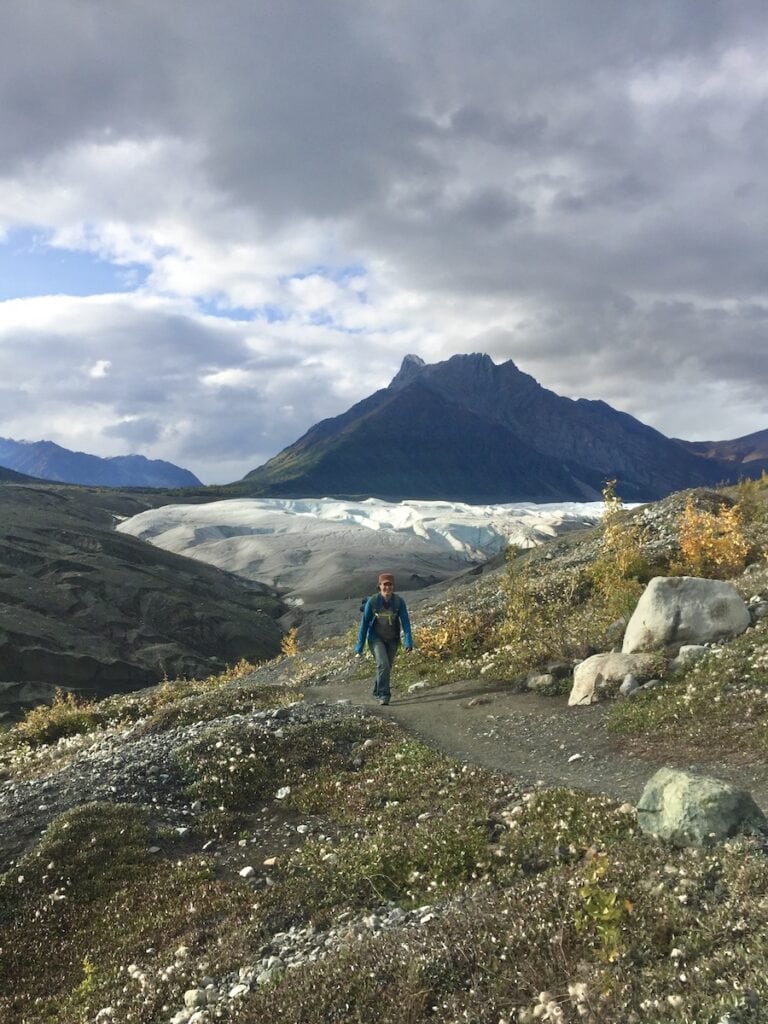
As the temperatures drop and the insect population starts to taper down, hiking and camping become dreamier than you can imagine in Alaska.
Fall is a perfect time for hiking and camping without the constant annoyance of bugs. Plus, the cooler weather means you can enjoy your outdoor activities without breaking a sweat.
Just be aware that it can be rainy so be prepared with proper gear, especially rain pants and a rain fly plus ground cloth for your tent. We even add an extra tarp over our tent to make sure there is not too much water in our tent area.
9. The Changing Light
The midnight sun fades as the days get shorter, and the nights get dark enough to see the stars and aurora borealis.
This transition in light creates a magical atmosphere, where the soft, golden glow of autumn days contrasts beautifully with the clear, starry nights.
The unique lighting conditions of fall create a slanted glowing light and add a layer of enchantment to Alaska’s already stunning landscapes.

FAQS About Alaska in the Fall
Let’s review some answers to questions that tend to come up about the autumn season in Alaska.
What Month is Fall in Alaska?
September is the prime month for experiencing fall in Alaska, but the season’s duration and intensity can vary across the state.
It typically spans from late August to mid-September, but the exact timing can vary depending on the region.
Interior Alaska – Fairbanks and Denali National Park
Fall colors often start appearing in late August, with peak foliage usually occurring in early to mid-September. By late September to early October, many trees have already shed their leaves, and the first snow may start to fall.
Southcentral Alaska – Anchorage, Kenai Peninsula, and McCarthy
The fall season usually begins in early September, with peak foliage in mid to late September. By early-October, most of the leaves have fallen, and cooler temperatures prevail.
Southeast Alaska – Juneau, Ketchikan
Fall arrives a bit later in the southeast, with colors starting to change in mid to late September and peaking in early to mid-October. The region experiences a more prolonged autumn season compared to the interior.
This time of year can bring frequent and heavy rainfall, contributing to the lush, green landscapes and vibrant autumn foliage. Y
ou should be prepared for wet conditions, but the rain also adds to the beauty, creating misty, atmospheric scenes in the forests and along the coast.
Western Alaska (e.g., Nome): Fall begins in late August, with peak colors in early to mid-September. The season is brief, and winter conditions can start setting in by early October.

Is Alaska Good to Visit in the Fall?
Absolutely! Alaska in the fall is a dream with its vibrant foliage, crisp air, and fewer crowds. There are stunning autumn colors, and by October, you can enjoy the first snowfalls.
It’s the perfect time for wildlife spotting, hiking, and capturing amazing landscapes without the summer rush. Plus, you might even catch the Northern Lights as the nights grow longer.
What Does Alaska Look Like in the Fall?
In the fall, Alaska transforms with golden birch and aspen leaves, crimson tundra, and snow-dusted mountain peaks.
The landscape is a stunning mix of vibrant colors and crisp, clear skies. Rivers and lakes reflect the autumn hues, while the air carries a refreshing chill. The setting is perfect for outdoor adventures and photography.
