
Is Alaska Bigger Than Texas? Spoiler: It’s Not Even Close
This article may contain affiliate links, meaning if you make a purchase, I may earn a small commission at no extra cost to you. As an Amazon Associate I earn from qualifying purchases. See my Disclosure Policy for more information.
As someone who spent seven years living in Fairbanks, I can tell you this: maps seriously downplay how massive Alaska really is.
Texas might shout loud about being big, but Alaska wins by a landslide — more than twice its size in land alone. If you’ve ever wondered, is Alaska bigger than Texas? …you’re about to see just how lopsided that comparison truly is.
In this post, you’ll get a full breakdown of how Alaska and Texas compare, not just by square miles, but by mountains, coastlines, wildlife, population, and more.
I’ll also share personal stories from life up north that reveal what “big” really feels like. For example, I used to drive nearly an hour just to visit a friend across the Fairbanks Northstar Borough my home.
Whether you’re here to settle a friendly debate or just need proof for your next trivia night, this is your go-to guide to how Alaska dwarfs the Lone Star State — in every way that counts.
💡 Want to really understand Alaska’s size? Grab the Alaska Gazetteer. It’s the detailed map book locals use. It covers backroads, trails, and terrain that GPS apps completely miss.

Is Alaska Bigger Than Texas?
Absolutely, and you don’t just see it on the map, you feel it when you live there.
When I first moved to Fairbanks, I started trying to plan a day trip, thinking I’d hop over to the next town and explore.
That plan quickly fell apart when I realized the next “big” town was over two hours away and there wasn’t much there, so I dropped that idea.
That was my first real glimpse of just how vast and isolated Alaska can feel, even compared to places like West Texas.
Alaska spans 663,300 square miles, making it larger than Texas, California, and Montana combined!
It is more than twice the size of Texas, which clocks in at 268,596 square miles. That means you could fit Texas inside Alaska more than twice over.
It stretches roughly 2,200 miles from east to west and 1,420 miles north to south. To put that into perspective, that’s about the same driving distance as from Miami to Seattle.
Beyond just land size, Alaska is home to over 3 million lakes, 100,000 glaciers, and 17 of the 20 tallest mountain peaks in the U.S.
And it’s the only state with coastlines on the Arctic Ocean, Pacific Ocean, and Bering Sea, covering a total of over 46,600 miles of shoreline.
It’s big in every way that counts…from topography to terrain to how long it takes to get your groceries.
How Big is Alaska?
It’s one thing to hear that Alaska is the biggest state, and it’s another to realize just how big it is.
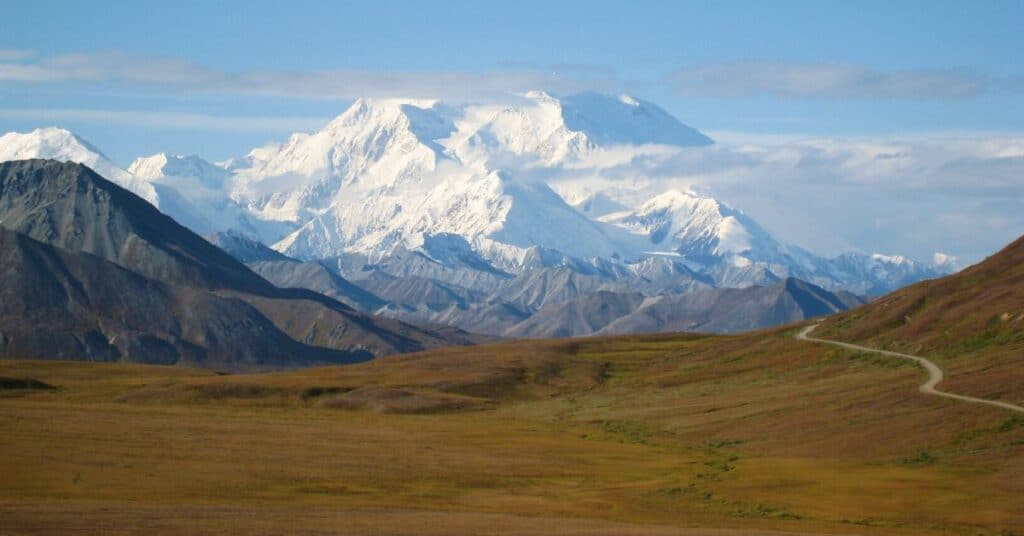
Alaska has a staggering 3,844 named mountains, and 19 of those tower above 14,000 feet. At the top of that list is Denali, the tallest mountain in North America at 20,310 feet.
To put that in perspective, you could stack five Empire State Buildings and still fall short of its summit!
Living here, that size isn’t abstract, it’s something you see every day. When Denali is “out,” it dominates the horizon like a giant frozen wave. It’s not just tall, it’s massive.
And it’s not just the mountains. Alaska has 24 national park units covering millions of acres of wilderness. Wrangell–St. Elias National Park, the largest in the U.S., spans over 13 million acres, bigger than six Yellowstone National Parks combined.
Even the “smaller” parks here, like Kenai Fjords National Park at 670,000 acres, are larger than some entire states.
Then there’s Katmai National Park and Preserve at over 4 million acres — that’s more than the size of Connecticut.
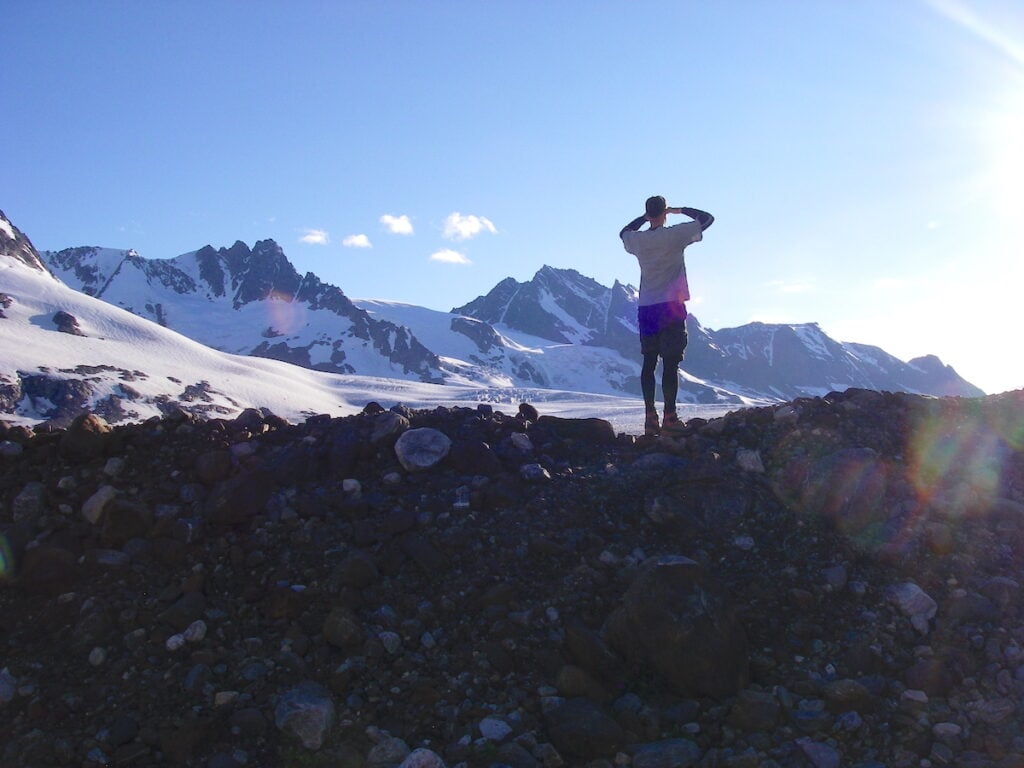
When you live in Alaska, this scale becomes part of your normal. Whether it’s navigating the Root Glacier or driving along the Richardson Highway, the sheer size and untouched nature of this place never stop surprising you.
Alaska vs Texas: High Points
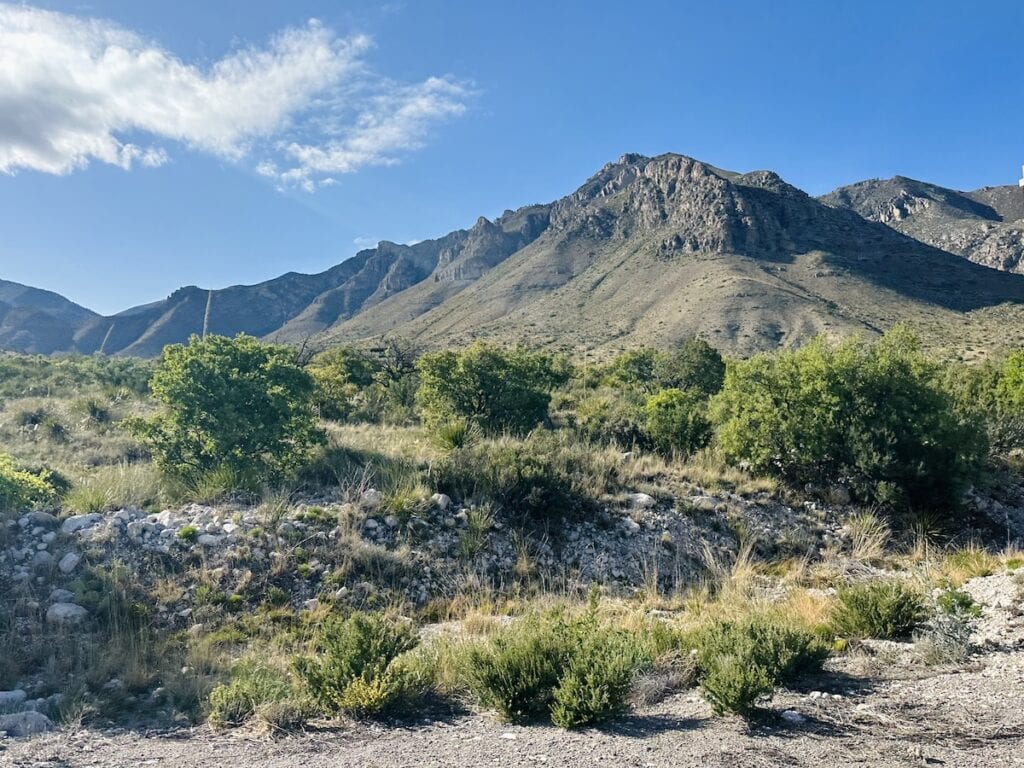
Texas’s highest point is Guadalupe Peak at 8,751 feet. It’s a striking place and one I’ve had the chance to hike.
But Denali? That’s a whole different world. Standing at 20,310 feet, Denali isn’t just taller — it dominates the landscape!
It’s the tallest peak in North America and can be seen from over 200 miles away on a clear day.
Having hiked in both Guadalupe Mountains National Park and through the wild expanses of Alaska, I can tell you: the scale isn’t just in elevation.
In Alaska, you feel like you’re trekking through a land built for giants…everything is oversized, from the mountains to the valleys they tower over.
Texas’s peaks are beautiful in their own right, especially with the desert brush and dramatic cliffs of the west. But Alaska’s terrain feels on another level. Even the smaller mountains feel huge.
Even now, when I’m out hiking in Alaska, I’ll stop to try and take it all in and still can’t quite wrap my head around the scale of it.”
Is Texas Bigger Than Alaska? Population
When it comes to land, Alaska wins big. But in terms of people? It’s not even close — and this time, Texas takes the crown.
As of 2024, Alaska has a population of around 740,000 people, making it the third-least populous state in the U.S. That’s fewer people than live in many mid-sized American cities.
Texas, on the other hand, is home to over 30 million people. That’s more than 40 times Alaska’s population!
Even comparing cities shows the contrast. Anchorage, Alaska’s largest city, has just under 300,000 residents. Meanwhile, Houston (Texas’s largest city) has over 2.3 million people.
To put it in perspective: if Texas had Alaska’s population density, only about 265,000 people would live in the entire state.
Imagine driving across Texas and only running into a few hundred thousand people across all that space!
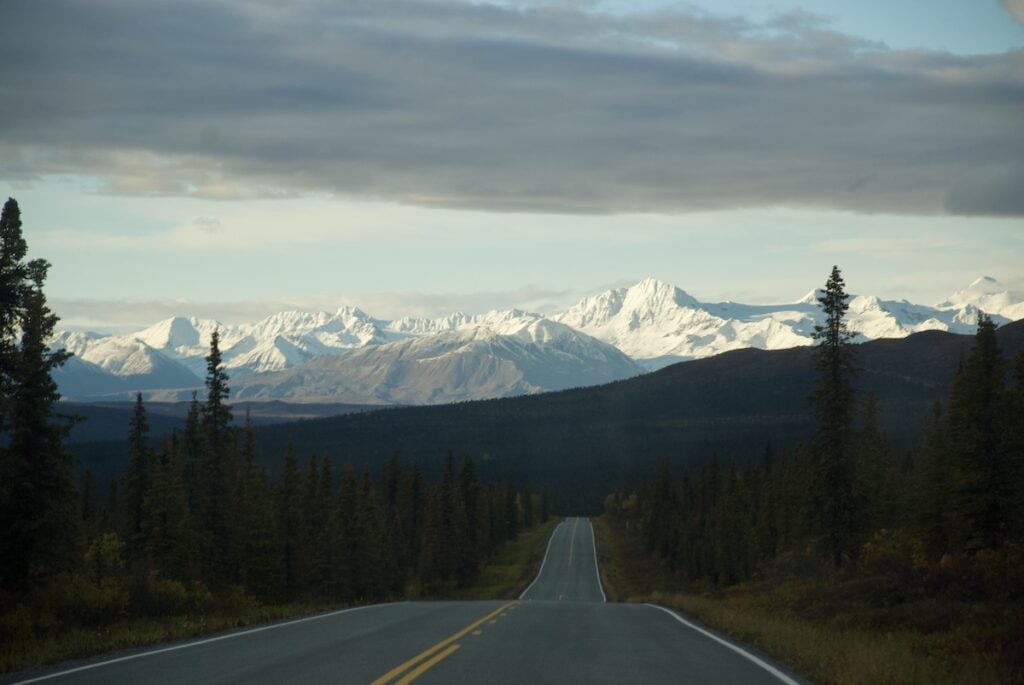
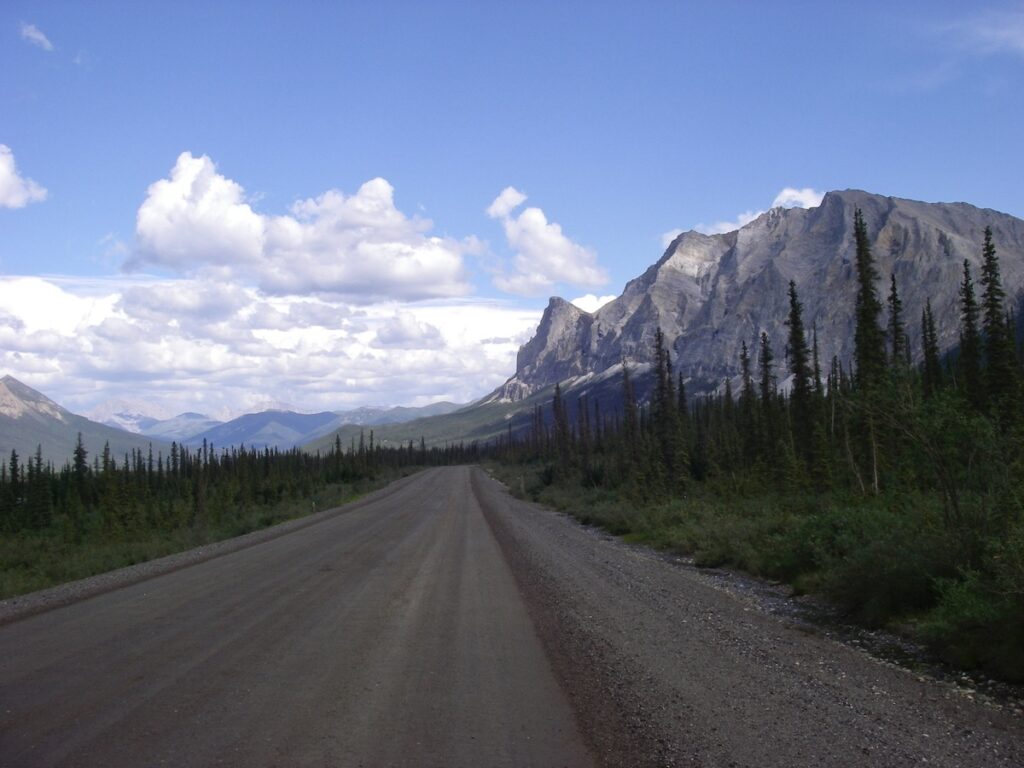
Living in Alaska, that sparseness is something you feel constantly, especially when you can sometimes drive an hour without passing another car.
It’s one of the most beautiful things about the state, but also one of the most humbling.

Is Alaska Bigger Than Texas? Roads and Coastline
Alaska has about 14,336 miles of public roads, but coverage is sparse. Only a few highways connect its main cities and towns, and many areas are entirely unreachable by car.
Travel often involves planning around fuel stops, limited access, and long distances between services, especially in winter.
Texas, in contrast, has over 675,000 miles of roads, making it one of the most connected states in the country.
Highways, backroads, and interstates crisscross the state, linking its many cities, towns, and rural communities with ease.
When it comes to the coastline, the gap widens even more. Alaska’s coastline spans more than 46,600 miles, which is longer than all the other U.S. states combined.
That includes its many fjords, inlets, and island chains. Texas’s coastline is approximately 3,359 miles.
Because of its geography, many parts of Alaska aren’t accessible by road at all.
That’s where the Alaska Marine Highway comes in: a state-operated ferry system that runs over 3,500 miles and serves more than 30 coastal communities.
⛴ Looking for an epic Alaskan Adventure?
Try taking the Alaska Ferry From Whittier to Valdez!
Is Alaska Bigger Than Texas? Wildlife
Both Alaska and Texas are wildlife havens, but what lives in each state reflects their landscapes.
Alaska is home to around 30,000 brown bears, one of the largest populations in the world. You’ll also find a massive number of bald eagles and a thriving humpback whale population of about 20,000.
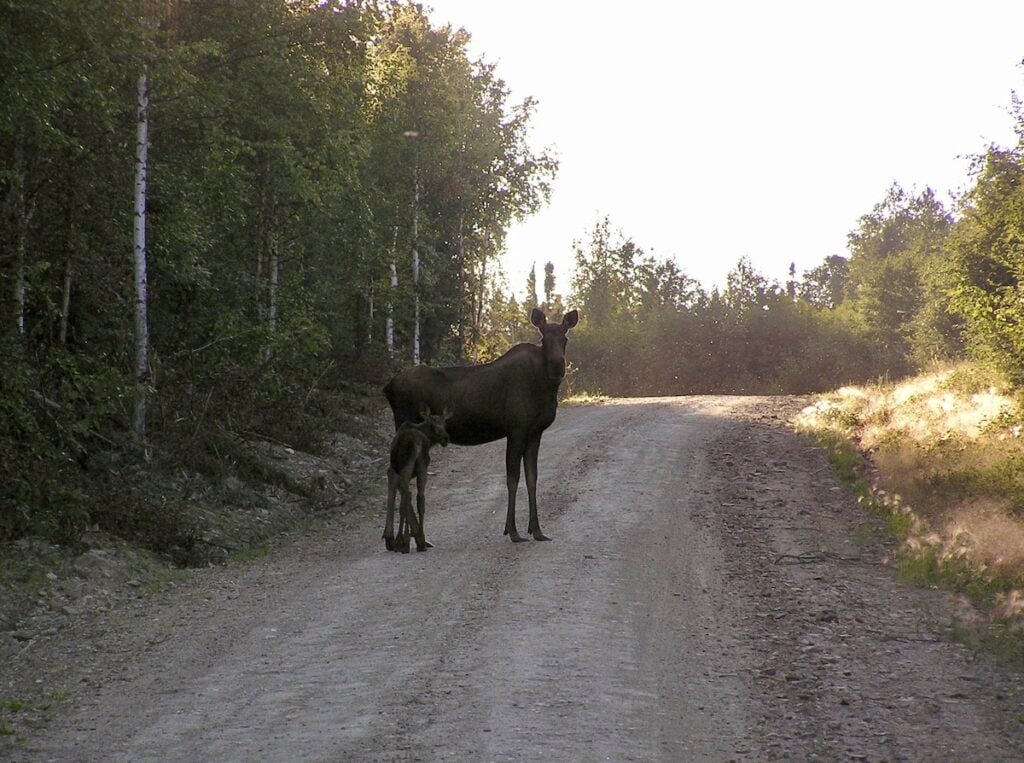
On any given day here, it’s not unusual to spot moose walking through neighborhoods or eagles perched on street lamp posts.
Texas, with its warmer climate and varied ecosystems, is no slouch either. It supports over 4 million white-tailed deer, the largest population in the U.S.
It also plays host to about 1.5 million Mexican free-tailed bats, most famously in Austin, where crowds gather nightly to watch them emerge in summer.
While Texas has far more species variety due to its size and climate range, Alaska’s wildness feels more immediate. Encounters are part of daily life.
I’ve seen moose many times while driving to the grocery store, and they were in my yard weekly.
Wildlife isn’t confined to remote trails or backcountry! In Alaska, it shares space with you, whether you’re at home, on the road, or running errands.
FAQ: Is Alaska Bigger Than Texas?
Here are a few common questions and their answers regarding the size of Alaska.
How many square miles is Alaska vs Texas?
Alaska stretches across an impressive 663,300 square miles. This makes it over twice the size of Texas, which itself is no small state at 268,596 square miles. From the icy Arctic tundra to the temperate rainforests of the Southeast, Alaska’s vastness truly sets it apart!
How many states can fit in Alaska?
Alaska is so large that it could fit as many as 19 other U.S. states within its borders! These states include New York, Florida, Oklahoma, Indiana, and Pennsylvania. Alaska takes up about one-fifth the size of the entire contiguous United States.! Imagine combining Texas, California, and Montana – Alaska would still be larger.
Is Alaska the largest state in the US?
Yes, Alaska is the largest state in the US! The three largest states in the U.S. by area are Alaska, Texas, and California. Alaska has a land area of about 665,384 square miles. Coming in second is Texas at 268,596 square miles. California rounds out the top three, with an area of about 163,696 square miles.
📘 Planning a trip or just curious about the scale of Alaska?
Get the Alaska Gazetteer us locals swear by.
It’s your best tool for exploring off the beaten path.
The Wrap Up: Which is Bigger Alaska or Texas?
So, what’s the final verdict? Alaska is undeniably the largest state in the U.S., both in landmass and in how vast it actually feels.
At 663,300 square miles, it’s nearly two and a half times bigger than Texas.
You notice the difference in the distance between towns, the height of the mountains, the stretch of the highways, and the wildlife wandering through your yard.
Texas has its own impressive features, and it wins when it comes to population, road access, and climate diversity.
But if we’re talking size? Alaska takes the crown, hands down.
If you’ve ever wondered, is Alaska really bigger than Texas?, now you know! And hopefully, you’ve got more than just a number.
You’ve got a sense of what it’s like to live somewhere that really does stretch as far as the eye can see.
